How to Start a Diary: A Creative Companion for Your Thoughts and Ideas
We may earn a commission through all links on this website. As an Amazon Associate, we earn from qualifying purchases.There’s something special about putting pen to paper and letting your thoughts and emotions flow onto the page. Writing in a diary can be a therapeutic escape, a creative outlet, and a way to reflect on your experiences and goals. But for many of us, the blank page can be intimidating, and the thought of starting a diary from scratch can feel overwhelming. Yet, with a few simple steps and a dash of creativity, anyone can start a diary that becomes a treasured keepsake and a source of inspiration.
In this article, we’ll explore the basics of starting a diary, from choosing the right materials to developing a consistent writing routine, and provide tips and prompts to help you fill those pages with stories, sketches, and memories that will last a lifetime.
Choosing the Right Diary: Types and Materials
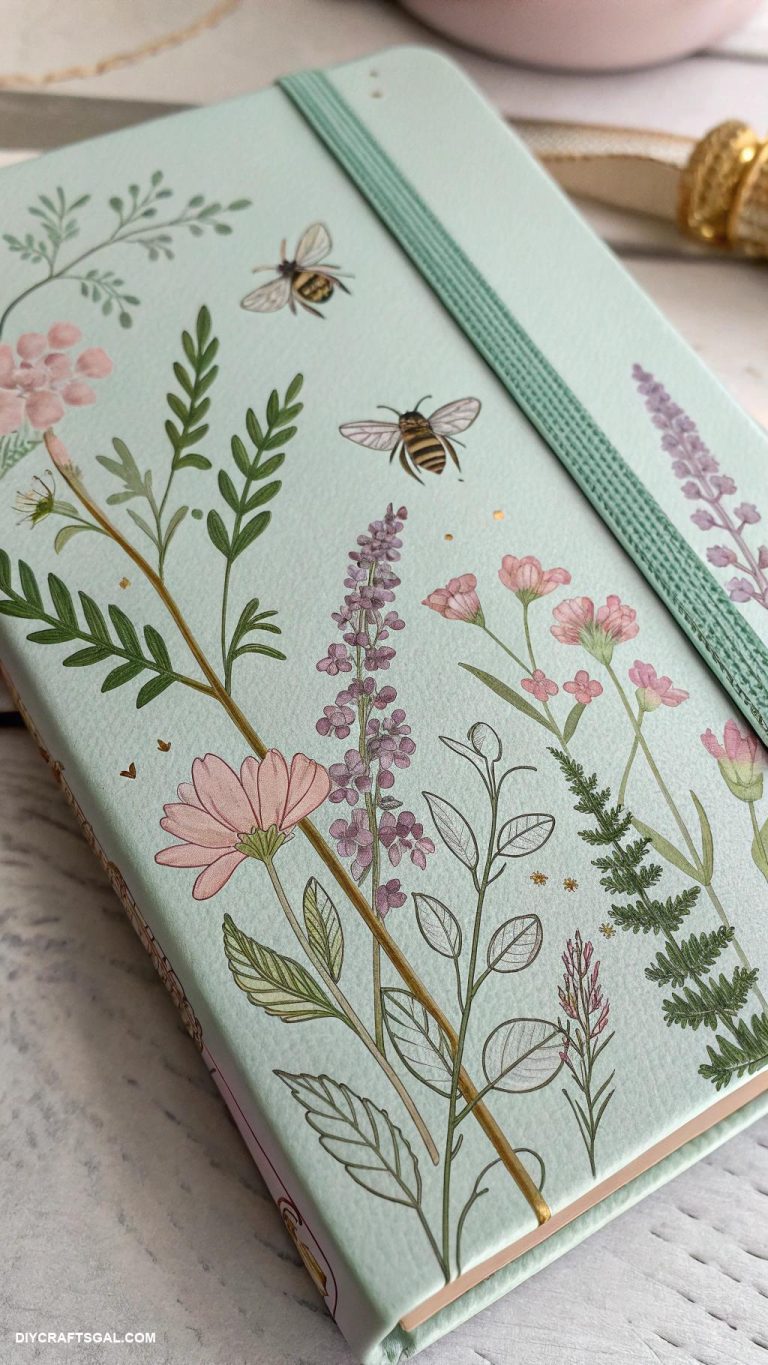
When it comes to choosing the right diary, there are numerous options to consider, each with its unique characteristics, advantages, and purposes. One of the primary decisions you need to make is the type of diary you want. Do you prefer a traditional paper-based diary, or would you rather opt for a digital one?

Paper diaries offer a tactile experience, allowing you to write with a pen or pencil, and they can be easily customized with stickers, washi tape, or other embellishments. Digital diaries, on the other hand, provide the convenience of being able to type or dictate your entries, and many come with features like password protection, photo and audio recording capabilities, and automatic backups.
In terms of materials, paper diaries can be made from a variety of paper types, including recycled paper, acid-free paper, or even handmade paper. The weight and texture of the paper can also vary, ranging from thin and smooth to thick and rough. Leather-bound diaries offer a luxurious touch, while fabric-bound diaries provide a soft, tactile experience.

There are also eco-friendly options like bamboo or hemp paper, which are sustainable and environmentally friendly. If you’re looking for a more unique or personalized experience, you may want to consider a diary with a special feature.
Essential Supplies for Diary Writing
As you embark on your diary writing journey, it’s essential to have the right supplies to ensure a smooth and enjoyable experience. First and foremost, you’ll need a diary or journal that suits your writing style and preferences.
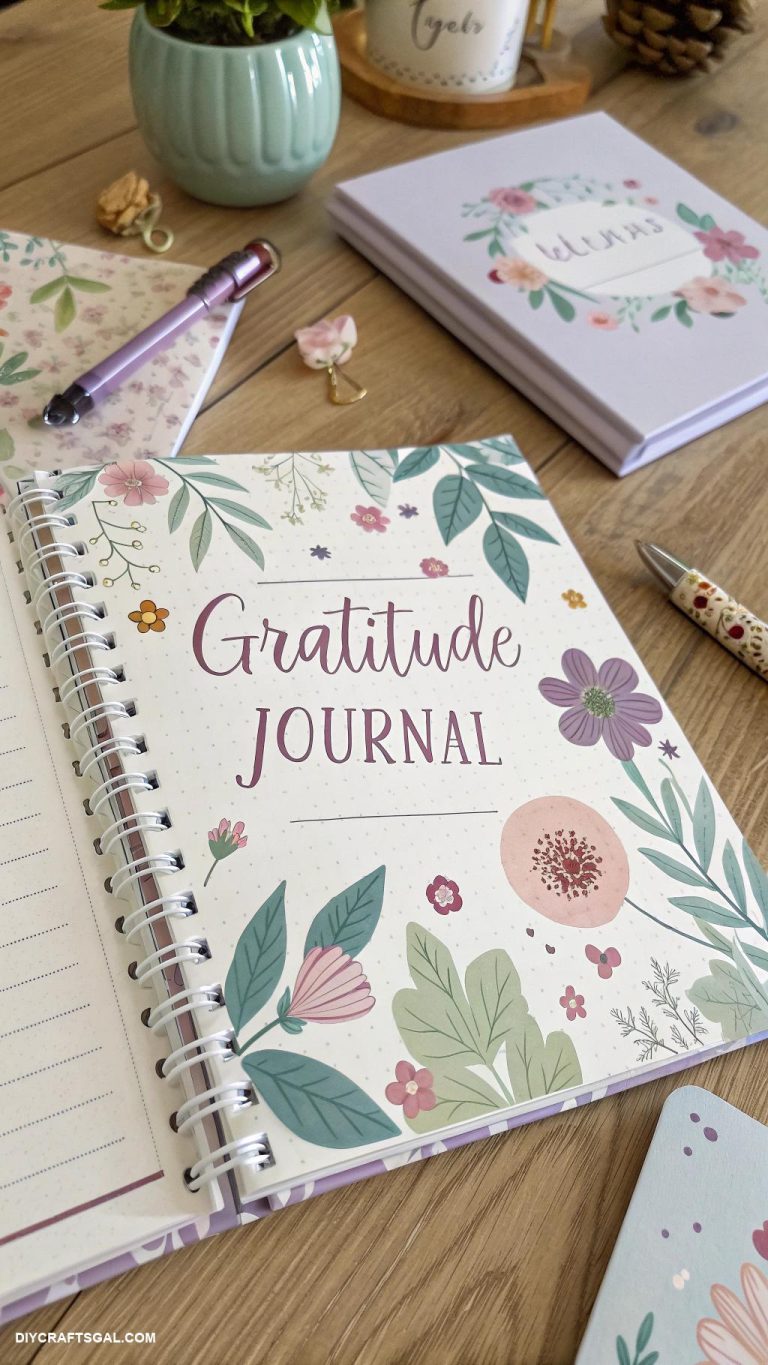
Consider factors such as the size, shape, and material of the book, as well as the type of paper and binding used. You may prefer a traditional bound journal or a modern spiral-bound notebook. Some diaries also feature prompts, quotes, or inspiring artwork to help spark your creativity.
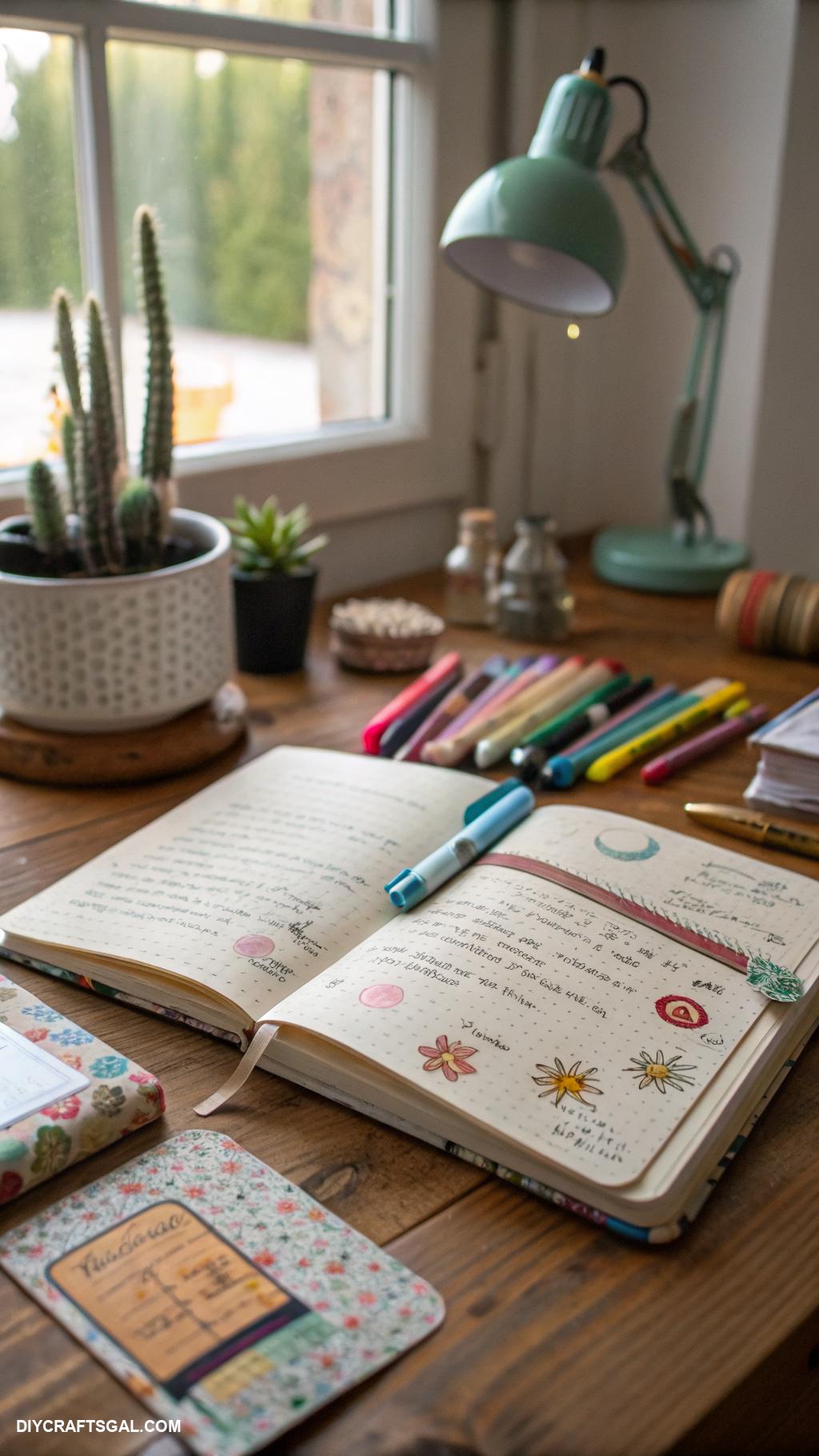
Next, think about the writing instruments you’ll need to fill the pages. A set of fine-tip pens or pencils can be a great starting point, but don’t be afraid to experiment with different colors, textures, and styles. You may also want to consider adding some embellishments, such as stickers, washi tape, or colored markers, to add visual interest and personality to your entries.

A small set of paper clips, a bookmark, and a pen holder can help keep your diary organized and within reach. Finally, consider investing in a comfortable and ergonomic writing surface, such as a desk or lap desk, to reduce fatigue and improve your overall writing experience.
Setting a Daily Routine for Writing
Establishing a daily routine for writing is a crucial aspect of maintaining a consistent and fulfilling diary-keeping experience. To set a productive and sustainable routine, start by identifying a specific time of day that works best for you. This could be first thing in the morning, during your lunch break, or before bed.
Once you’ve chosen a time, commit to it by setting a reminder on your phone or placing a note on your fridge. Begin with a manageable goal, such as writing for just 10-15 minutes each day, and gradually increase the duration as you become more comfortable with the habit.
It’s also essential to create a conducive writing environment, free from distractions and interruptions, to help you focus on your thoughts and reflections. Consider setting up a dedicated writing space, complete with a comfortable chair, a desk, and a few inspiring decorations.
By establishing a consistent routine and environment, you’ll be able to tap into your creativity and make writing a enjoyable and therapeutic part of your daily routine.
Incorporating DIY Elements: Personalizing Your Diary
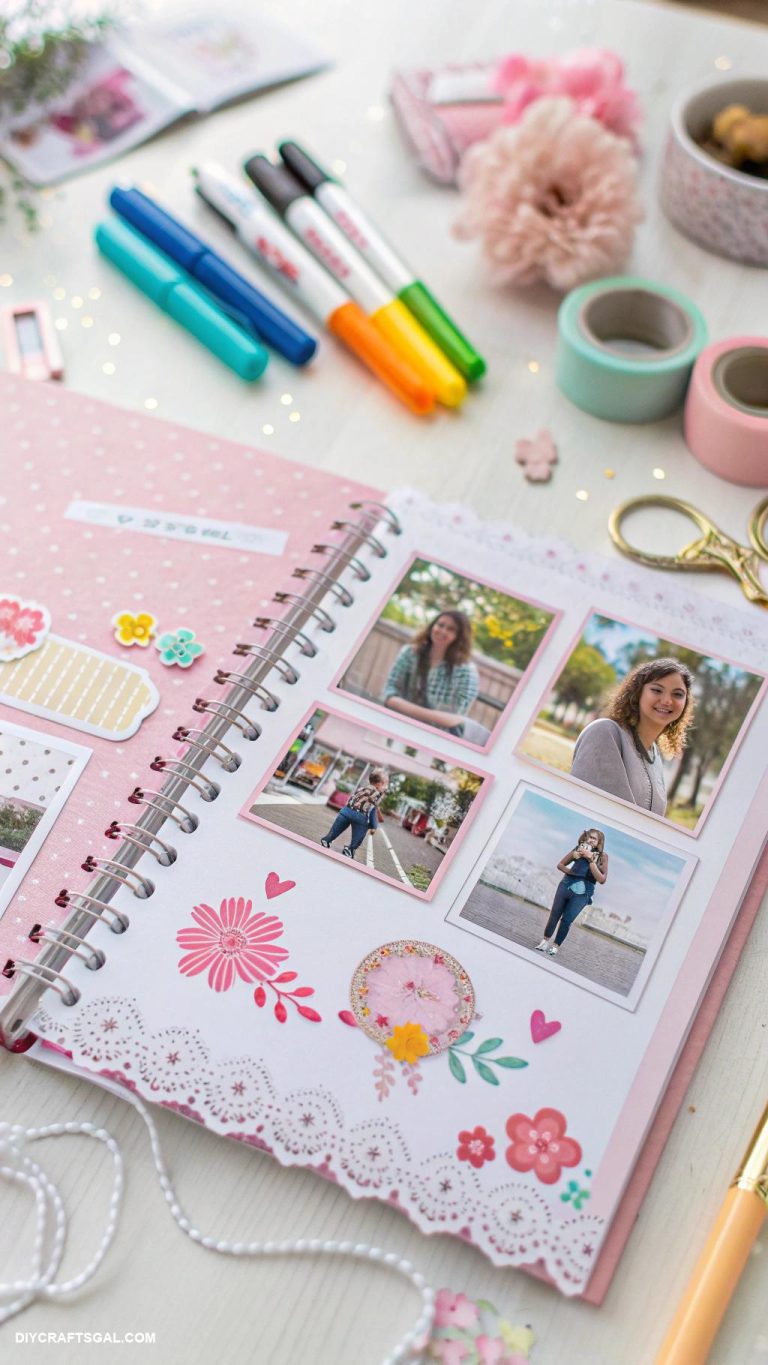
Incorporating DIY elements is a fantastic way to personalize your diary and make it truly unique. One of the most effective ways to do this is by adding embellishments such as stickers, washi tape, and die-cut shapes. You can use these elements to highlight important dates, mark significant events, or simply add a pop of color to your pages.
Consider using a theme, such as a favorite hobby or interest, to guide your choices and create a cohesive look. You can also experiment with different textures by incorporating materials like fabric, paper scraps, or even found objects like ticket stubs or postcards.
Remember to balance your embellishments with plenty of white space to avoid overwhelming the page and make your writing easy to read. Consider adding a personal touch by including handwritten notes, doodles, or sketches to make your diary truly one-of-a-kind.
Writing Prompts to Inspire Your Entries
When it comes to starting a diary, one of the most daunting tasks can be thinking of what to write about. To help spark your creativity, consider using writing prompts to inspire your entries. These can be as simple as a phrase, a question, or a theme, and can be found online or created by you.
For example, you might use a daily or weekly prompt like “What did I learn today?” or “What am I grateful for this week?” to help guide your writing. Alternatively, you could use more creative prompts like “Write a story using only 50 words” or “Describe a memory from your childhood in as much detail as possible.” You can also use sensory prompts like “Describe the sounds you hear right now” or “Write about the smell of your favorite food” to help you tap into your senses.
Having a prompt to work with can help you get started and keep you going, even on days when you’re feeling stuck or uninspired. And don’t worry if you don’t stick to the prompt – the goal of journaling is to express yourself authentically, so feel free to deviate and explore new topics as you see fit.
Creative Ways to Document Your Life
As you embark on your DIY diary-making journey, it’s essential to think beyond the traditional notebook and pen. Consider incorporating creative ways to document your life, making your journaling experience more engaging and personal.
One idea is to use a mix media approach, combining traditional writing with collaged images, ticket stubs, and other ephemera that tell a story. You can also experiment with different formats, such as creating a visual journal by using watercolors, paint, or markers to illustrate your thoughts and experiences.
Another option is to record your life through audio or video, capturing your voice or movements to create a multimedia diary. You can also include handwritten notes, doodles, and sketches to add texture and personality to your journal. For a more tactile experience, try using a travel journal with a built-in map, or create a scrapbook-style diary with photos and memorabilia. The possibilities are endless, and it’s up to you to experiment and find the methods that work best for you.
Maintaining Privacy and Security for Your Diary
As you begin your diary-keeping journey, it’s essential to establish a secure and private space for your thoughts and reflections. When it comes to maintaining privacy and security for your diary, there are several steps you can take to ensure your writings remain confidential.
Firstly, consider using a lock or a combination lock to secure your diary. This will prevent unwanted access and ensure that only you can open the book. You can store your diary in a safe and secure location, such as a locked drawer or a high shelf, out of reach from curious eyes and prying hands. It’s also a good idea to keep your diary in a private area of your home, away from public spaces or areas where others may be able to access it.
Furthermore, consider using a diary with a secure binding or a sewn book that cannot be easily opened or removed. You can also customize your diary with a personalized cover or embellishments that make it unique and difficult to identify.
Finally, establish a coding system or use code words to disguise your entries, making it challenging for others to decipher your thoughts and feelings. By taking these precautions, you can rest assured that your diary remains a private and secure space for self-expression and reflection.